

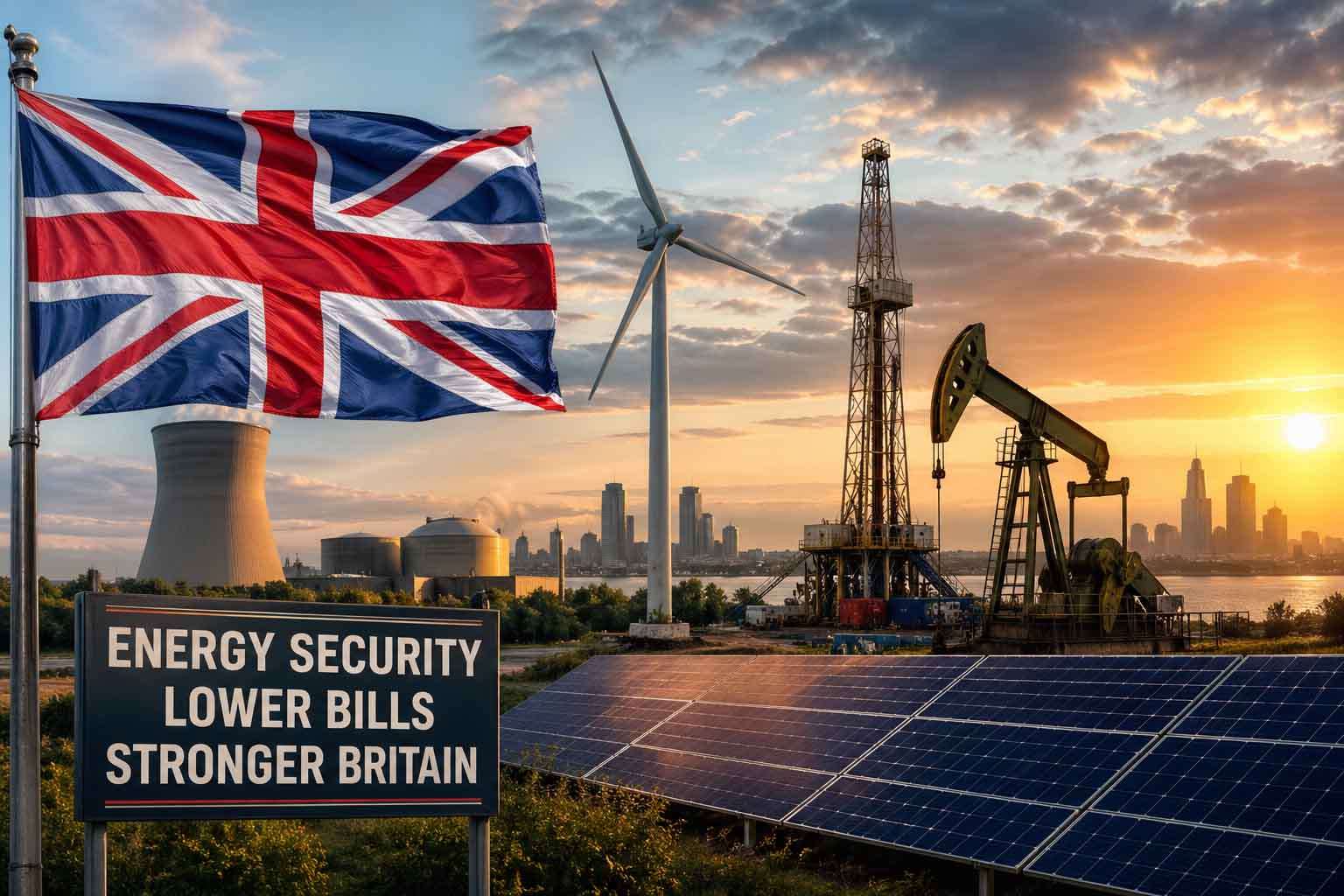
The Advance UK Energy Policy Explained
A New Direction for UK Energy Policy: Sovereignty, Cost Reduction and Industrial Renewal
The Advance UK Energy Policy (April 2026) sets out a comprehensive and unapologetically radical reorientation of the United Kingdom’s energy strategy. Framed around the principle of “energy sovereignty”, the document proposes a decisive break from the prevailing Net Zero framework in favour of domestic production, deregulation and reduced costs for both consumers and industry.
At its core, the policy argues that current energy strategies have imposed excessive economic burdens, constrained domestic resource development and undermined industrial competitiveness. In response, it outlines a programme designed to reverse these trends and reposition energy as a driver of national prosperity.
Deregulation and Legislative Reform
A central pillar of the policy is the wholesale repeal of Net Zero-related legislation. This includes the removal of legally binding emissions targets and associated regulatory mechanisms across multiple sectors. The intention is to eliminate what the policy characterises as structural barriers to affordable and reliable energy production.
In parallel, the UK would withdraw from a range of international frameworks and agreements that influence domestic energy policy through emissions-based constraints. This reflects a broader objective of restoring full national control over energy decision-making.
The policy also calls for the abolition of government spending linked to environmental, social and governance (ESG) initiatives, alongside the dismantling of ESG reporting requirements within financial markets. Measures affecting property and construction are included, notably making Energy Performance Certificates voluntary and easing environmental regulations that currently slow the development of large-scale infrastructure such as nuclear and hydroelectric power.
Reducing Costs and Reforming Markets
A further set of proposals focuses on reducing the cost of energy for households and businesses. These include removing green levies and VAT on fuel, as well as significantly reducing taxation on fossil fuel producers. The planned phase-out of petrol and diesel vehicles would be halted, reflecting a shift away from demand-side restrictions.
Structural reform of the energy market is also proposed. Existing pricing mechanisms, particularly those based on long-term subsidy contracts, would be phased out in favour of more localised and competitive pricing models. In addition, the policy suggests dissolving state-backed energy investment bodies and introducing restrictions on political lobbying by energy companies.
Expanding Domestic Energy Supply
The policy places strong emphasis on increasing domestic energy production. It sets an ambitious target of expanding generating capacity by more than 20 gigawatts over the next decade, supported by accelerated approval and construction of nuclear and hydroelectric projects.
Fossil fuels are positioned as a central component of the future energy mix. Proposals include expanding gas infrastructure, supporting shale gas extraction, and reintroducing coal mining and coal-fired power generation. Legal barriers to exploration and extraction would be reduced, with the aim of ensuring long-term energy availability.
Infrastructure, Skills and Industrial Support
Beyond generation, the policy addresses wider infrastructure and economic considerations. Low emission transport zones would be removed, and investment in rail infrastructure would be increased to lower transport costs. The establishment of a dedicated Energy Academy is proposed to develop the skilled workforce required to support expanded energy production.
Private sector investment is actively encouraged, particularly in areas such as energy infrastructure for emerging industries including artificial intelligence and data centres.
Protecting Resources and Shaping Public Understanding
The final strand of the policy focuses on resource management and public information. A nationwide survey would be conducted to identify economically viable energy reserves, providing a foundation for long-term planning and investment.
In education, the policy proposes restricting the teaching of climate change to what it defines as “uncontested facts”, reflecting a broader scepticism towards prevailing narratives in this area.
Conclusion
Taken as a whole, the Advance UK Energy Policy represents a fundamental shift in direction. It prioritises national control, affordability and industrial capacity over emissions reduction targets and international alignment. Whether viewed as a pragmatic correction or a controversial departure, it is a programme that would, if implemented, significantly reshape the UK’s energy landscape and its broader economic trajectory.
FAQs
1. What is meant by “energy sovereignty” in this policy?
Energy sovereignty refers to the UK having full control over its own energy production, supply and regulation. The policy prioritises domestic resources—such as gas, nuclear and coal—over reliance on imports or international agreements, with the aim of improving energy security and price stability.
2. How would this policy affect household energy bills?
The policy proposes removing green levies, reducing VAT on fuel, and lowering taxes on energy producers. In theory, these changes are intended to reduce the overall cost of energy generation and pass savings on to consumers, although actual bill reductions would depend on market conditions and implementation.
3. Why does the policy propose scrapping Net Zero legislation?
The document argues that Net Zero policies increase costs, restrict domestic energy production and harm industrial competitiveness. It advocates removing these frameworks to enable cheaper energy and support economic growth, though this position is subject to significant political and scientific debate.
4. What role do fossil fuels play in this energy strategy?
Fossil fuels are central to the policy. It supports expanding gas production, including shale gas (fracking), and reintroducing coal mining and coal-fired power stations. These are presented as reliable and abundant energy sources to meet future demand.
5. How would this policy impact the UK’s environmental commitments?
If implemented, the policy would represent a major shift away from current emissions reduction targets and international climate agreements. This could affect the UK’s global environmental commitments and relationships, while also raising questions about long-term sustainability and climate strategy.
Download the full document HERE